

How Cosmetic Dentistry Can Improve Your Smile and Confidence
Discover how cosmetic dentistry can improve your smile and confidence through treatments that address tooth colour, shape, alignment, and other aesthetic concerns.
Smile Lounge Team
Smile Lounge Dentistry · Milton, ON

Your smile can affect how comfortable you feel when meeting people, speaking in a group, or appearing in photographs. If you are concerned about tooth colour, shape, spacing, alignment, or other aspects of your smile, cosmetic dentistry may offer several treatment options.
Cosmetic dentistry includes a range of treatments designed to address different smile concerns. Depending on your needs, options may include teeth whitening, clear aligners, veneers, dental bonding, and other treatments. The right choice depends on your oral health, treatment goals, and the concern you want to address.
If you are considering treatment, a consultation with a dentist in Milton can help you understand which options may be suitable for your dental health, goals, expectations, and budget.
Cosmetic dentistry does not always mean having a complete smile makeover. Sometimes, whitening teeth, repairing a chipped tooth, improving tooth shape, or correcting mild alignment concerns can create a noticeable but natural-looking difference.
What Can Cosmetic Dentistry Improve?
Cosmetic dentistry can address several common smile concerns, including:
- Stained or discoloured teeth
- Chipped or worn teeth
- Small gaps between teeth
- Mild crowding or uneven alignment
- Irregular tooth shapes
- Differences in tooth length
- Older or noticeable dental restorations
However, cosmetic treatment should begin with an assessment of your oral health. Cavities, gum disease, infections, or certain bite problems may need attention before cosmetic procedures are considered.
The important point is that different treatments solve different problems. Dental cleaning and teeth whitening, for example, are not the same treatment, even though patients sometimes use the terms interchangeably.
Teeth Cleaning vs. Teeth Whitening
One common source of confusion is the difference between teeth cleaning and teeth whitening.
Dental Cleaning
Professional dental cleaning focuses primarily on oral health. It helps remove plaque, tartar, and some surface stains that regular brushing and flossing cannot completely remove.
A cleaning may make teeth look fresher or brighter by removing buildup and surface staining, but its main purpose is maintaining healthy teeth and gums.
Depending on your dental insurance plan, routine dental cleaning may also be covered as part of preventive dental care. Coverage varies, so patients should confirm the details directly with their insurance provider.
Teeth Whitening
Professional teeth whitening is a cosmetic treatment designed specifically to lighten the colour of natural teeth.
It may help reduce staining associated with:
- Coffee
- Tea
- Certain foods
- Smoking
- Natural changes in tooth colour over time
Unlike routine dental cleaning, cosmetic teeth whitening is generally not covered by most dental insurance plans because it is considered an elective cosmetic treatment. Individual insurance plans can differ, so patients should always verify their own coverage.
Whitening also does not change the colour of crowns, veneers, bridges, or tooth-coloured fillings.
If one tooth becomes considerably darker than surrounding teeth, a dentist should examine it before whitening because the colour change may have an underlying dental cause.
Professional Teeth Whitening
Professional whitening is a popular choice for people who want to brighten their smile without changing the shape or position of their teeth.
Before whitening, a dentist can check your teeth and gums to determine whether the treatment is appropriate.
Results vary from person to person depending on factors such as:
- The original tooth colour
- The type of staining
- Existing restorations
- Oral health
- Lifestyle habits
Some people may experience temporary tooth sensitivity or gum irritation following whitening.
Patients interested in changing tooth colour can learn more about professional teeth whitening.
Clear Aligners for Straighter Teeth
Another common concern is tooth alignment.
Although people may initially search for terms such as “braces” or “straighten my teeth,” traditional braces are not the only orthodontic option.
For suitable patients, clear aligners can gradually move teeth into planned positions using a series of removable, transparent trays.
Clear aligners may be considered for certain cases involving:
- Mild crowding
- Gaps between teeth
- Uneven alignment
- Crooked or rotated teeth
- Some bite concerns
Not every orthodontic concern can be managed with clear aligners. A dental assessment is necessary to determine whether aligner treatment is appropriate.
Treatment generally requires consistent wear and regular monitoring. After active treatment, retainers are typically recommended to help maintain the new tooth positions.
For patients who prefer a discreet orthodontic option, clear aligners may provide an alternative to fixed appliances in suitable cases.
Dental Veneers
Dental veneers are thin coverings placed over the front surfaces of selected teeth.
They may help improve concerns involving:
- Tooth colour
- Shape
- Size
- Minor spacing
- Worn enamel
- Certain cosmetic irregularities
Before recommending veneers, your dentist may evaluate:
- The health of your teeth and gums
- The amount of available enamel
- Tooth position
- Your bite
- Grinding or clenching habits
- Your desired result
Some types of veneers require the removal of a portion of natural tooth structure. Patients should therefore understand the preparation involved, expected lifespan, maintenance requirements, and possibility of future replacement.
Tooth-Coloured Bonding
Composite bonding may be used to improve certain chipped, uneven, worn, or irregularly shaped teeth.
A tooth-coloured resin material is applied and shaped to blend with surrounding teeth.
Bonding can be a relatively conservative option for some minor cosmetic concerns, but the material may stain, chip, or wear over time.
Depending on the condition and position of the tooth, your dentist may recommend bonding, veneers, crowns, or another treatment.
Can Cosmetic Dentistry Improve Confidence?
Confidence is personal, and no dental treatment can guarantee how someone will feel afterward.
However, treating a dental concern that has been bothering someone may help them feel more comfortable when smiling, talking, or appearing in photographs.
For example, someone concerned about a chipped front tooth may feel more comfortable after it has been appropriately restored.
Similarly, someone concerned about crowded or uneven front teeth may benefit more from clear aligner treatment than from whitening.
The goal should be to create a healthy, natural-looking smile that suits the individual rather than trying to reproduce another person's smile.
How to Choose the Right Cosmetic Treatment
Instead of choosing a procedure simply because it is popular, first identify the concern you want to address.
For example:
- Surface buildup or tartar: professional dental cleaning may be appropriate.
- Tooth discolouration: professional whitening may be considered.
- Mild alignment concerns: clear aligners may be an option.
- Chips or minor shape concerns: dental bonding may help.
- Colour, shape, or proportion concerns: veneers may sometimes be considered.
During a cosmetic dental consultation, your dentist may evaluate:
- Teeth and gum health
- Existing fillings and crowns
- Tooth colour
- Tooth proportions
- Alignment
- Bite
- Signs of grinding
- Dental history
- Treatment expectations
This helps determine which option is appropriate instead of choosing treatment based only on appearance or advertising.
Questions to Ask Before Cosmetic Dental Treatment
Before beginning treatment, consider asking:
- What treatment would address my specific concern?
- Are there alternatives?
- What results can I realistically expect?
- Will natural tooth structure need to be removed?
- What are the possible risks or side effects?
- How long might the result last?
- What maintenance is required?
- Will I eventually need replacement treatment?
- What is included in the estimated cost?
- Is the treatment cosmetic or potentially covered by dental insurance?
Coverage varies between insurance policies. Routine preventive services such as dental cleanings may be covered under many plans, while elective treatments such as teeth whitening are typically not covered. Always check your specific policy before beginning treatment.
Maintaining Your Results
Cosmetic treatment does not replace routine dental care.
To help protect your smile:
- Brush twice daily with fluoride toothpaste.
- Clean between your teeth every day.
- Attend recommended dental examinations and cleanings.
- Limit foods and beverages that contribute to staining.
- Avoid chewing ice or hard objects.
- Do not use your teeth to open packaging.
- Wear a nightguard if recommended for grinding.
- Follow the care instructions provided for your treatment.
Regular dental care can help protect both natural teeth and cosmetic restorations.
Is Cosmetic Dentistry Right for You?
Cosmetic dentistry may be suitable if you have a specific concern about your smile and your teeth and gums are healthy enough for treatment.
You may not need a complete smile makeover. Sometimes the right solution may simply involve a professional cleaning, teeth whitening, repairing one chipped tooth, or using clear aligners to address a minor alignment concern.
The best starting point is a dental examination followed by a discussion about what you would like to change.
Your dentist can explain the available cosmetic dentistry treatments, their benefits, limitations, costs, and potential risks.
If tooth colour is your main concern, you can also learn more about professional teeth whitening. Patients interested in improving tooth alignment can ask whether clear aligner treatment may be suitable for their individual case.
Dental information notice: This article provides general educational information and should not replace an examination, diagnosis, or personalized advice from a qualified dental professional.
Written by
Smile Lounge Team
Our team shares practical, evidence-based oral-health guidance from our clinic in Milton, Ontario. Have a question about this article? We are happy to help.
Have a question about your teeth?
Book a visit at our Milton clinic — new patients welcome.
More from the blog
View all
How Long Does Teeth Whitening Last? A Dentist’s Guide
Wondering how long teeth whitening lasts? Professional whitening results can remain noticeable for several months to a few years, depending on your habits and oral care routine. Discover what affects whitening longevity, how to prevent new stains, and dentist-recommended tips to keep your smile brighter for longer.
Read article
Can Toothache Cause Headache? Causes, Symptoms & When to See a Dentist
Can toothache cause headache? Explore possible connections, symptoms to watch for, and when to see a dentist for an assessment.
Read article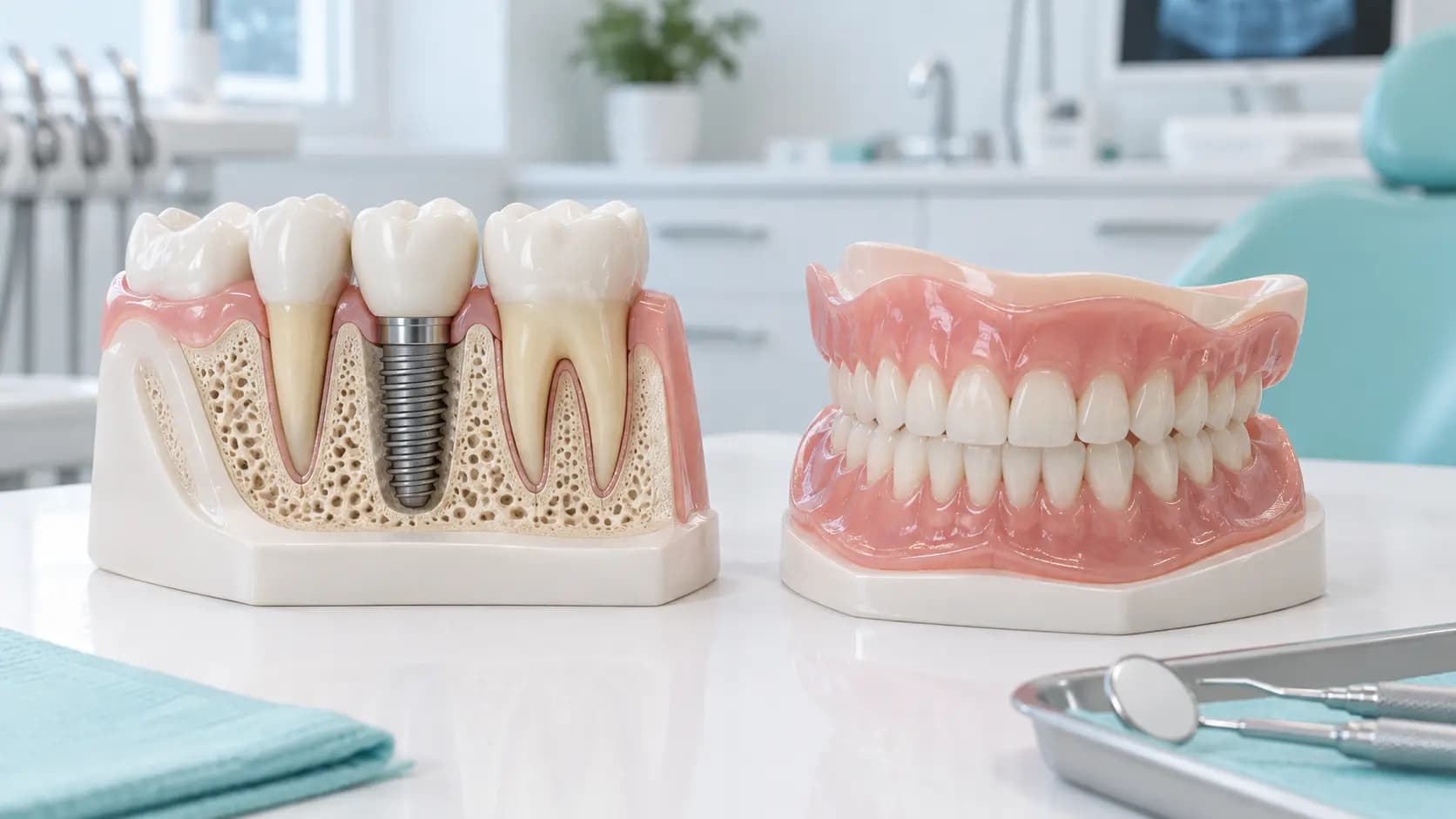
Dental Implants vs Dentures: Which Is Better for You?
Dental implants or dentures? Compare the benefits, comfort, maintenance, and costs of each option to help you discuss the right choice with your dentist.
Read article